 Paulista Path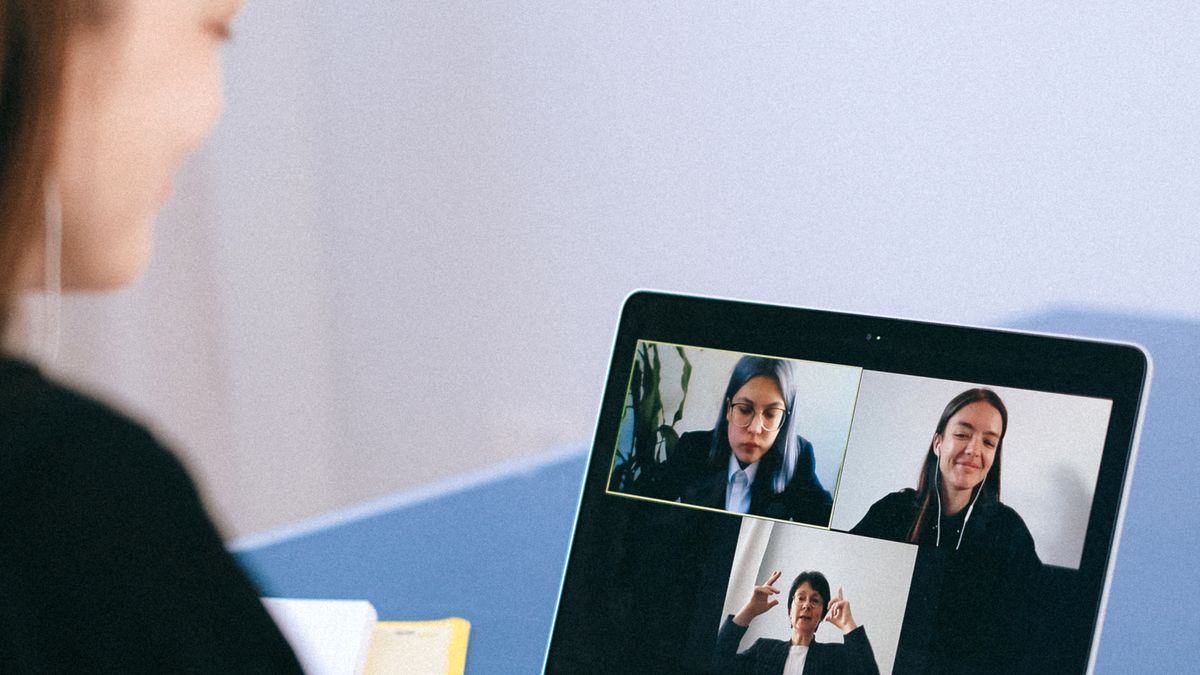
Warm-up (5 min)
Quick revision from Lecture 10 (Block 2 review).
- Narrate with a connector: Então, eu estava no metrô quando de repente…
- Give one instruction: Primeiro preencha o formulário. Depois assine.
- Express a wish: Quero que você me avise quando chegar.
- In Lecture 10 you reviewed: conectores narrativos, imperativo, and presente do subjuntivo after que. Today we apply those skills on the phone — because in Brazil, WhatsApp is king, and work runs on Teams, Zoom, and Google Meet.
Tip: Brazilians rarely say “Estou telefonando” — they say tô ligando, vou te ligar, or simply manda um zap.
Part 1 — Cultura do telefone no Brasil (Phone culture)
WhatsApp > e-mail (for personal life)
| Channel | When Brazilians use it |
|---|---|
| Everything personal — friends, family, landlord, delivery, doctor | |
| Ligação | Urgent matters, older relatives, formal work |
| Work documents, bureaucracy, contracts | |
| SMS | Almost never — legacy banks only |
| Áudio do Zap | Very common — 30-second voice messages instead of typing |
Brazilian phone etiquette
| Expression | Meaning | Register |
|---|---|---|
| Alô? | Hello? (answering) | universal |
| Oi! | Hi! | informal |
| Falo! | Speaking! (identifying yourself) | phone classic |
| É o/É a… | It’s… (identifying) | standard |
| Pode falar? | Can I talk? / Go ahead | checking availability |
| Tá ocupado(a)? | Are you busy? | polite check |
| Te ligo depois | I’ll call you later | promise |
| Te mando um zap | I’ll WhatsApp you | very Brazilian |
| Manda um áudio | Send a voice message | casual |
| Tô sem sinal | I have no signal | excuse |
| Caiu a ligação | The call dropped | common SP problem |
Work calls in São Paulo
Most offices use Teams, Zoom, or Google Meet. Common phrases:
| Portuguese | English |
|---|---|
| Entrar na call / na reunião | Join the call / meeting |
| Compartilhar a tela | Share screen |
| Mutar / desmutar | Mute / unmute |
| Abrir a câmera | Turn camera on |
| Tá travando | It’s lagging |
| Você me ouve? | Can you hear me? |
| Vou compartilhar o link | I’ll share the link |
| Gravar a reunião | Record the meeting |
| Levantar a mão (no Zoom) | Raise hand (in Zoom) |
Cultural note: In SP startups, “bora na call” is as common as “let’s hop on a call.” Cameras are often optional for internal meetings.
Part 2 — Abrir e encerrar ligações (Opening and closing calls)
Answering the phone
| Portuguese | English |
|---|---|
| Alô? | Hello? |
| Oi, é o Alex. Quem fala? | Hi, it’s Alex. Who’s speaking? |
| Alô, bom dia! Falo! | Hello, good morning! Speaking! |
| É a Marina. Tudo bem? | It’s Marina. How are you? |
| Oi, desculpa, tô no metrô. Pode falar? | Hi, sorry, I’m on the metro. Can you talk? |
Identifying yourself
| Portuguese | English |
|---|---|
| É o Thiago, do trabalho. | It’s Thiago, from work. |
| É a Marina, daquele curso de português. | It’s Marina, from that Portuguese course. |
| Aqui é o Alex. | Alex here. |
| Ligando do escritório. | Calling from the office. |
Checking availability
| Portuguese | English |
|---|---|
| Você pode falar agora? | Can you talk now? |
| Tá ocupado? Te ligo depois. | Are you busy? I’ll call later. |
| É urgente ou pode esperar? | Is it urgent or can it wait? |
| Tem dois minutos? | Do you have two minutes? |
| Agora não dá — tô em reunião. | Can’t now — I’m in a meeting. |
Closing politely
| Portuguese | English |
|---|---|
| Então, combinado! | So, it’s settled! |
| Qualquer coisa, me liga. | If anything comes up, call me. |
| Te mando os detalhes no zap. | I’ll send you the details on WhatsApp. |
| Valeu! Um abraço! | Thanks! Take care! |
| Bom trabalho! | Have a good work day! |
| Até mais! | See you later! |
Part 3 — Tomar e deixar recados (Taking and leaving messages)
Asking to leave a message
| Portuguese | English |
|---|---|
| Pode deixar um recado? | Can I leave a message? |
| Ele/ela não tá. Quer deixar recado? | He’s/she’s not here. Want to leave a message? |
| Quer que eu anote? | Want me to write it down? |
| Pode falar que eu ligo depois? | Can you tell him/her I’ll call back? |
Leaving a message
| Portuguese | English |
|---|---|
| Pode avisar que o Alex ligou? | Can you tell him Alex called? |
| Diz pra ela que eu te ligo às três. | Tell her I’ll call you at three. |
| Deixa eu anotar… | Let me write it down… |
| O recado é o seguinte… | The message is the following… |
| Pede pra ele me ligar, por favor. | Ask him to call me back, please. |
| Meu número é… | My number is… |
Taking a message (secretary / roommate)
| Portuguese | English |
|---|---|
| Pode falar, eu anoto. | Go ahead, I’ll write it down. |
| Deixa comigo, eu aviso. | Leave it to me, I’ll let them know. |
| Qual o assunto? | What’s it about? |
| Ele te liga quando chegar. | He’ll call you when he arrives. |
| Anotei aqui. | I wrote it down. |
Voicemail / caixa postal
| Portuguese | English |
|---|---|
| Você ligou para… Deixe sua mensagem após o sinal. | You have reached… Leave your message after the tone. |
| Oi, sou o Alex. Me liga de volta, por favor. | Hi, it’s Alex. Call me back, please. |
| É sobre o contrato. Te ligo de novo à tarde. | It’s about the contract. I’ll call again this afternoon. |
Part 4 — Gramática: verbos de intenção (Intention verbs)
These verbs summarize what you want to do in communication — essential for phone talk.
Core intention verbs
| Verb | Meaning | Phone example |
|---|---|---|
| perguntar | to ask | Quero perguntar se a reunião mudou. |
| pedir | to request / ask for | Vou pedir pra remarcar. |
| avisar | to inform / let know | Preciso avisar que vou atrasar. |
| informar | to inform (formal) | Ligo pra informar o horário. |
| recomendar | to recommend | Quero recomendar um restaurante. |
| confirmar | to confirm | Liguei pra confirmar o horário. |
| combinar | to arrange / agree | Vamos combinar por telefone. |
| remarcar | to reschedule | Preciso remarcar a consulta. |
| cancelar | to cancel | Quero cancelar a reserva. |
| transmitir | to relay / pass on | Vou transmitir o recado. |
pedir vs perguntar
| Verb | Use | Example |
|---|---|---|
| perguntar | ask a question | Pergunto se você pode falar. |
| pedir | request something | Peço que você me ligue. |
| perguntar se | ask whether | Pergunto se a reunião é às três. |
| pedir que | ask someone to do | Peço que você confirme. |
| pedir para + inf. | ask to do | Peço para remarcar. |
Patterns with pronouns (Brazilian placement)
| Pattern | Example | English |
|---|---|---|
| Me liga | Me liga quando chegar. | Call me when you arrive. |
| Te aviso | Te aviso mais tarde. | I’ll let you know later. |
| Lhe envio | Lhe envio o link. (formal) | I’ll send you the link. |
| Me diz | Me diz se deu certo. | Tell me if it worked. |
| Te mando | Te mando no zap. | I’ll send you on WhatsApp. |
Brazilian speech: Object pronouns usually come before the verb: Me liga, not Liga-me.
Part 5 — Gramática: presente e pretérito no telefone
Present — making and receiving calls now
| Portuguese | English |
|---|---|
| Tô ligando pra confirmar. | I’m calling to confirm. |
| Te ligo daqui a pouco. | I’ll call you in a bit. |
| Ela me manda mensagem todo dia. | She messages me every day. |
| A gente combina por zap. | We arrange it on WhatsApp. |
Past — reporting phone events
| Portuguese | English |
|---|---|
| Ele me ligou ontem. | He called me yesterday. |
| Ela disse que ia atrasar. | She said she was going to be late. |
| Eu tentei ligar, mas não atendeu. | I tried to call, but nobody answered. |
| A gente combinou por telefone. | We arranged it by phone. |
| Ele me avisou do horário. | He told me the time. |
| Ela deixou um recado. | She left a message. |
| Eu não recebi sua ligação. | I didn’t get your call. |
Preview: estilo indireto (Lecture 12)
| Direct | Indirect (preview) |
|---|---|
| Ela disse: “Vou atrasar.” | Ela disse que ia atrasar. |
| Ele falou: “Me liga.” | Ele pediu pra eu ligar. |
| Marina disse: “Tô ocupada.” | Marina disse que estava ocupada. |
Note: Full rules for reported speech come in Lecture 12. For now, notice que + changed tense.
Part 6 — Vocabulário: tipos de mensagem
Message channels
| Portuguese | English |
|---|---|
| mensagem de texto | text message |
| áudio / áudio do Zap | voice message |
| recado | message (left for someone) |
| caixa postal | voicemail |
| notificação | notification |
| print / captura de tela | screenshot |
| encaminhar | forward (message) |
| responder / responder no grupo | reply / reply in the group |
| marcar como lida | mark as read |
| apagar | delete |
Phone and tech problems
| Portuguese | English |
|---|---|
| sem sinal | no signal |
| bateria fraca | low battery |
| caiu a ligação | call dropped |
| não atende | doesn’t answer |
| ocupado | busy (line) |
| número errado | wrong number |
| travou / congelou | froze / lagged |
| não tô te ouvindo | I can’t hear you |
| sua voz tá cortando | your voice is cutting out |
| pode repetir? | can you repeat? |
Part 7 — Diálogo 1: Deixar recado pro colega (Leaving a message for a colleague)
Marina calls the office. Carla (reception) answers.
Dialogue 1 — Deixar recado pro colega (Leaving a message for a colleague)
Alô, bom dia! Escritório Silva e Associados.
Hello, good morning! Silva & Associates office.
Bom dia! É a Marina, do marketing. O Thiago tá?
Good morning! It's Marina, from marketing. Is Thiago there?
Oi, Marina! Ele tá em reunião. Quer deixar recado?
Hi, Marina! He's in a meeting. Want to leave a message?
Quero sim. Pode avisar que eu liguei sobre o contrato?
Yes, please. Can you tell him I called about the contract?
Claro. Deixa eu anotar… Contrato. Mais alguma coisa?
Sure. Let me write it down… Contract. Anything else?
Pede pra ele me ligar antes das cinco, por favor. Meu número você já tem.
Ask him to call me before five, please. You already have my number.
Anotado. Contrato — ligar antes das 17h.
Noted. Contract — call before 5 p.m.
Isso! Ah, e diz que enviei o comprovante por e-mail também.
That's it! Oh, and tell him I sent the receipt by email too.
Perfeito. Vou avisar assim que a reunião acabar.
Perfect. I'll let him know as soon as the meeting ends.
Obrigada, Carla! Bom trabalho!
Thanks, Carla! Have a good day!
Igualmente! Tchau!
You too! Bye!
Your turn: Leave a message for a landlord about a broken shower. Use Pode avisar que… and Pede pra….
Part 8 — Diálogo 2: Áudio do Zap remarcando reunião (WhatsApp voice message)
Alex sends a voice message to Thiago (transcribed as dialogue).
Dialogue 2 — Áudio do Zap remarcando reunião (WhatsApp voice message)
Oi, Thiago! Tudo bem?
Hi, Thiago! How are you?
Tô te mandando esse áudio porque tô no metrô e não dá pra digitar.
I'm sending this voice note because I'm on the metro and can't type.
Então, é o seguinte: a reunião de amanhã às nove — a gente precisa remarcar.
So, here's the thing: tomorrow's meeting at nine — we need to reschedule.
Surgeu um compromisso no cliente e eu não consigo entrar na call.
A client thing came up and I can't join the call.
Você pode ver com a equipe se dá às onze? Ou à tarde, tipo duas?
Can you check with the team if eleven works? Or in the afternoon, like two?
Me avisa no grupo ou me liga quando puder. Desculpa o short notice!
Let me know in the group or call me when you can. Sorry for the short notice!
Valeu! Um abraço.
Thanks! Take care.
(resposta por texto) Relaxa! Vou falar com o pessoal e te confirmo até o fim do dia.
(text reply) No worries! I'll talk to the team and confirm by end of day.
Your turn: Record (or write) a 30-second voice message rescheduling a coffee meeting with a friend.
Part 9 — Diálogo 3: Videoconferência no trabalho (Work video call)
Marina and Alex on a Teams call.
Dialogue 3 — Videoconferência no trabalho (Work video call)
Oi, Alex! Você me ouve?
Hi, Alex! Can you hear me?
Ouvindo sim! Mas sua voz tá um pouco baixa.
I can hear you! But your voice is a bit low.
Espera, vou colocar o fone. Melhorou?
Wait, I'll put on my headphones. Better?
Agora sim! Pode compartilhar a tela?
Now yes! Can you share your screen?
Compartilhando… Você tá vendo a planilha?
Sharing… Can you see the spreadsheet?
Tô vendo. Ah, travou um pouco. Pode repetir a última parte?
I see it. Oh, it lagged a bit. Can you repeat the last part?
Claro. Então, o prazo é sexta e a gente precisa do comprovante até quinta.
Sure. So, the deadline is Friday and we need the receipt by Thursday.
Entendi. Te mando o documento por e-mail depois da call.
Got it. I'll send you the document by email after the call.
Combinado. Alguém mais vai entrar ou é só a gente?
Deal. Is anyone else joining or is it just us?
Acho que a Carla entra daqui a cinco minutos. Vou mutar pra tomar água.
I think Carla joins in five minutes. I'll mute to get water.
Beleza! Me avisa quando ela entrar.
OK! Let me know when she joins.
Your turn: Role-play a video call with connection problems. Use Tá travando, Pode repetir?, Compartilhar a tela.
Part 10 — Fonética: ritmo e entonação no telefone
Phone rhythm in Brazilian Portuguese
Phone speech is faster and more clipped than face-to-face talk. Contractions are standard.
| Full form | Phone / casual | Example |
|---|---|---|
| estou | tô | Tô ligando. |
| está | tá | Tá ocupado? |
| para | pra | Liga pra mim. |
| porque | pq / porque | Não dei porque tava em reunião. |
| obrigado/a | valeu | Valeu! Te ligo depois. |
Intonation patterns
| Situation | Pattern | Example |
|---|---|---|
| Greeting ↗ | warm rise | Alô? ↗ Oi! ↗ |
| Checking ↗ | short rise | Pode falar? ↗ |
| Confirming ↘ | fall | Combinado. ↘ |
| Urgency ↗↗ | higher rise | É urgente! ↗↗ |
| Apology ↘ | sincere fall | Desculpa, te ligo depois. ↘ |
Nasal vowels on the phone
Nasal sounds (-ão, -em, -am) can be unclear on bad connections. Speak clearly:
| Word | Tip |
|---|---|
| ligação | stress -ção |
| informação | clear nasal -ão |
| amanhã | don’t swallow the nasal |
| combinamos | stress -mos |
Part 11 — Prática controlada (Controlled practice)
1. Open a call: Write 3 ways to answer the phone and identify yourself.
(examples) Alô? / Oi, é o Alex. Falo! / Bom dia, aqui é a Marina.
2. Leave a message: Complete: Pode avisar que eu ___ (ligar) sobre o ___?
liguei / aluguel (or any noun)
3. pedir vs perguntar: Choose: Eu ___ (perguntar/pedir) se a reunião é às três.
pergunto
4. Pronouns: Rewrite with pronoun before verb: Liga para mim → ___
Me liga
5. Past narrative: Ele ___ (ligar) ontem e ___ (dizer) que ___ (ir) atrasar.
ligou / disse / ia
6. Video vocab: Match: mutar — share screen — travar
mutar = silence mic; compartilhar tela = share screen; travar = lag/freeze
7. Translate: I'll call you later. / Can you leave a message? / The call dropped.
Te ligo depois. / Pode deixar um recado? / Caiu a ligação.
8. Transform (preview): Direct: "Vou remarcar." → Indirect: Ela disse que ___
ia remarcar
Part 12 — Prática livre (Freer speaking)
Activity 1 — Cold call (8 min)
Partner A calls Partner B (who doesn’t know who’s calling). Practice: greeting, identifying, stating purpose, closing.
Activity 2 — Recado chain (8 min)
A calls B’s “office.” B takes a message. B then calls C to relay the message. Use Pode avisar que… / Ele pediu pra…
Activity 3 — Video call disaster (10 min)
Role-play a meeting where the connection is bad. One person must share screen and explain a document. Include at least 3 tech problems.
Activity 4 — Zap ou ligação? (5 min)
For each situation, decide WhatsApp or phone call and explain why:
- Confirm dinner tonight
- Tell your boss you’re sick
- Send a contract PDF
- Urgent building leak
Activity 5 — 30-second audio (10 min)
Write and “record” (read aloud) a voice message rescheduling an appointment. Time yourself — max 30 seconds.
Part 8 — Nota cultural comunicação em São Paulo
Homework
Written
- Dialogue: Write a phone dialogue (12–15 lines) — you call a company to reschedule an appointment. Include greeting, request, confirmation, closing.
- Recado: Write a message a receptionist would leave for your teacher about a missed call.
- Intention verbs: Write 6 sentences using perguntar, pedir, avisar, informar, confirmar, remarcar.
- Past tense: Write 5 sentences about phone calls you made/received recently (real or invented).
- Translate to Portuguese: Hi, it's Marina. Is Alex there? Can you tell him I called about the rent? I'll send you the link on WhatsApp. The meeting is lagging. Can you repeat? She called yesterday and said she was going to be late.
Oral
- Record a voicemail (30–45 seconds) for a colleague about a work matter.
- Record a WhatsApp audio rescheduling a meeting with a friend.
- Practice openings: Say 5 different ways to answer the phone — with natural intonation.
Optional challenge
Notice how Brazilians around you (or in podcasts/YouTube) open phone conversations. Write down 5 expressions you hear.
Lecture 11 — Summary cheat sheet
| Topic | Key forms |
|---|---|
| Open call | Alô? / É o/É a… / Falo! / Pode falar? |
| Close call | Combinado! / Te ligo depois. / Valeu! |
| Leave message | Pode avisar que… / Pede pra… ligar. |
| Intention verbs | perguntar, pedir, avisar, informar, confirmar |
| pedir vs perguntar | perguntar se / pedir que ou para |
| Pronouns | Me liga / Te aviso / Me diz (before verb) |
| Past phone events | Me ligou / Disse que… / Deixou recado |
| Video call | compartilhar tela, mutar, travar, entrar na call |
| Preview | Estilo indireto: disse que + changed tense |
Next lecture: Estilo indireto — transmitting messages, anecdotes, and the full rules of reported speech.
No Brasil, quem não domina o Zap não domina a conversa — mas agora você sabe ligar, deixar recado e sobreviver na call!